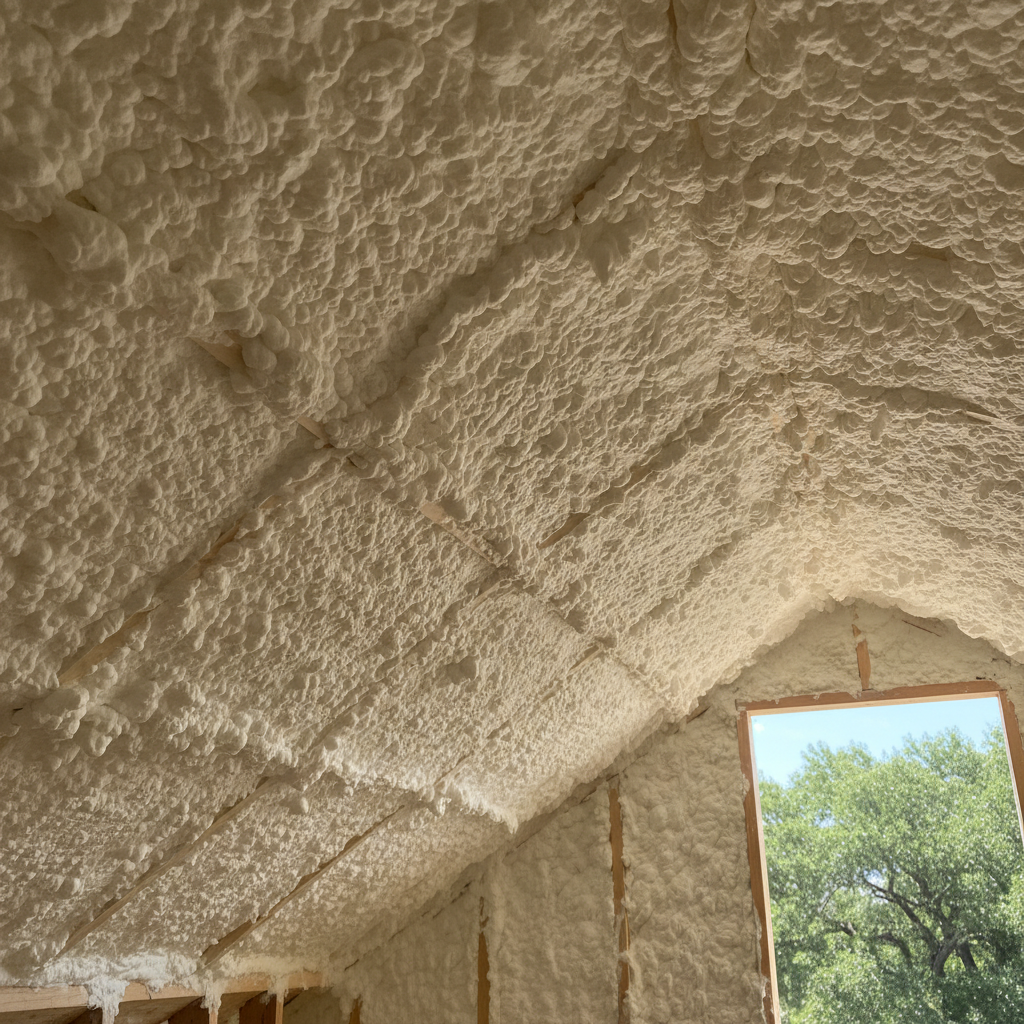
Alright, let's talk open cell spray foam. You've probably heard the buzz, seen the ads, maybe even got a quote or two. It's a fantastic product, no doubt about it, especially for folks right here in Mansfield dealing with our crazy summers and the occasional chilly snap. But before you jump in, you need to understand what you're getting into, what you can handle yourself, and when it's absolutely time to call in a professional like us at Apex Insulation.
Before You Even Think About Spraying
First off, open cell foam isn't for every single application. It's an air barrier, not a vapor barrier, which is a key difference from closed cell foam. What does that mean for you? It means it's great for attics, crawl spaces, and wall cavities where you want to stop air leakage and get excellent thermal performance. It's also more flexible than closed cell, so it can handle the natural expansion and contraction of your home's structure over time without cracking. Here in Mansfield, with our expansive clay soils causing foundations to shift a bit, that flexibility can be a real plus.
You need to figure out your goals. Are you trying to reduce energy bills? Improve indoor air quality? Make that bonus room over the garage actually usable in August? Open cell foam can help with all of that. But you also need to consider your budget. It's an investment, and while it pays off over time, it's not the cheapest insulation option upfront.
One more thing: ventilation. If you're sealing up an attic, you're changing its ventilation strategy. You can't just spray foam and forget about it. You might need to adjust your attic ventilation, especially if you're bringing your attic space into the conditioned envelope of your home. This isn't something to guess at. Talk to a pro about it.
During the Project: DIY vs. Pro
Can you DIY open cell spray foam? Technically, yes. You can buy small kits online or from big box stores. But here's my honest advice: unless you're insulating a dog house or a very small shed, don't. Seriously, don't. Here's why:
- The Learning Curve is Steep: Getting the right mix, the right thickness, and a consistent application takes practice. You'll likely waste a lot of expensive material learning on the fly.
- Safety First: The chemicals involved are no joke. You need proper PPE (Personal Protective Equipment) – respirators, full body suits, eye protection. Without it, you're risking your health.
- Equipment Costs: For anything beyond a tiny job, you'd need specialized equipment that you'd rent or buy, which adds up fast.
- Mess Factor: Spray foam expands. A lot. It gets everywhere if you're not careful. Cleaning it up is a nightmare.
- Long-Term Performance: A poorly applied job won't give you the energy savings or comfort you're looking for. You could end up with voids, inconsistent R-values, and even moisture issues if it's not done right.
For walls, attics, or crawl spaces in your main home, you need to call a professional. We've got the training, the right equipment, and the experience to do it efficiently and effectively. We know how to prep the area, protect your home, and apply the foam correctly for maximum benefit. It's not just about spraying; it's about understanding building science and how the foam interacts with your home's structure.
After the Foam is Sprayed
Once the job's done, what then? First, give it time to cure. Open cell foam cures pretty quickly, usually within a few hours, but it's best to stay out of the area for at least 24 hours to let any off-gassing dissipate. A good contractor will tell you exactly how long to wait.
You should notice a difference almost immediately. Your home will feel more comfortable, temperatures will be more consistent from room to room, and your HVAC system won't be running as hard. That's where those energy savings start to kick in.
Maintenance for open cell foam is pretty minimal. It's durable and designed to last the lifetime of your home. You don't typically need to inspect it regularly unless you're doing other work in the area, like electrical or plumbing, where you might need to cut into it. If you do cut into it, you can usually patch it with a small can of expanding foam, but again, be careful with the application.
Keep an eye on your energy bills. Track them month-to-month and year-over-year. You should see a noticeable drop, especially during our peak cooling season. If you don't, or if you have any concerns, don't hesitate to reach back out to your installer. We stand by our work and want to make sure you're getting the performance you paid for.
So, there you have it. Open cell spray foam is a powerful tool for making your Mansfield home more comfortable and efficient. Just make sure you go into it with open eyes and, for anything beyond the smallest projects, bring in the pros.