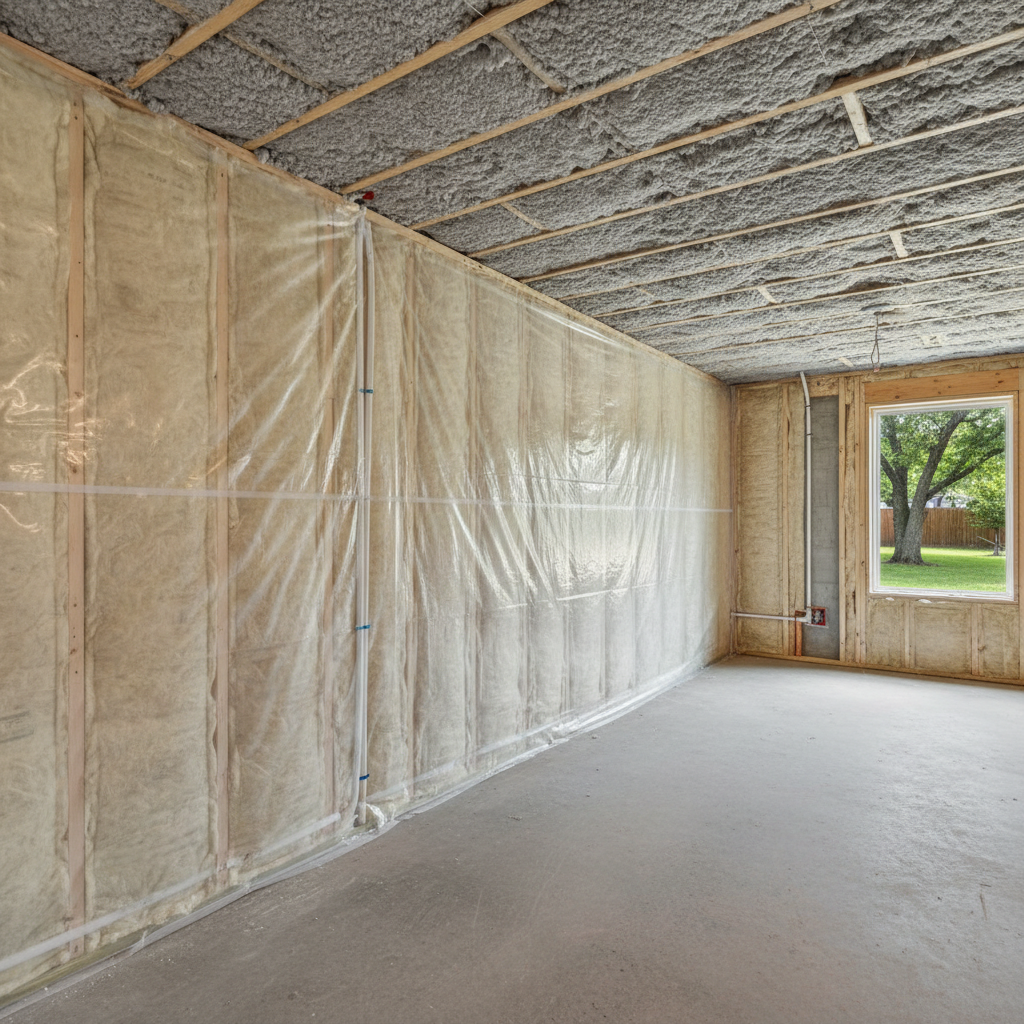
You're thinking about insulating your basement. Maybe you're finishing it out, or maybe you're just tired of that cold, damp feeling down there. Good for you. It's a smart move. But I've seen folks in Mansfield make some real head-scratching mistakes when they jump into this kind of project. And believe me, those mistakes can cost you a bundle, not just in money, but in comfort and even health down the road.
Ignoring Moisture Issues First
This is probably the biggest, most common blunder I see. People get excited about insulation, but they forget the golden rule of basements: water always wins. If you've got any kind of moisture problem – even just a little dampness or a musty smell – you absolutely have to tackle that first. I'm talking about leaky walls, cracks in the foundation, poor exterior drainage, or even condensation from pipes. Throwing insulation over a moisture problem is like putting a band-aid on a gushing wound. You're just trapping the moisture, creating a perfect breeding ground for mold and mildew. That's not just gross; it's a health hazard and it'll ruin your insulation, making your investment worthless. Before you even think about R-value, make sure your basement is dry as a bone. Get a dehumidifier running, check your gutters, look for cracks. Do it right, or you'll regret it.
Picking the Wrong Type of Insulation
Not all insulation is created equal, especially for basements. I've seen people try to use regular fiberglass batts directly against concrete walls. Bad idea. Fiberglass can absorb moisture like a sponge, and once it gets wet, its R-value drops to near zero, and it becomes a haven for mold. You need materials that can handle the unique environment of a basement. That means things like rigid foam boards (XPS or EPS), mineral wool, or spray foam. Each has its pros and cons, and what works best depends on your specific situation, your budget, and what you're trying to achieve. Don't just grab whatever's cheapest at the big box store. Talk to someone who knows basement insulation, like us at Apex Insulation, to figure out the right fit.
Skimping on Air Sealing
Insulation is only half the battle. Air sealing is just as, if not more, important, especially in a basement. You wouldn't believe how many tiny cracks and gaps there are where your foundation meets the framing, around pipes, or through electrical penetrations. These little pathways let in cold, damp air and let out your conditioned air. It's like trying to fill a bucket with water when it's full of holes. You can have the best insulation in the world, but if you haven't properly air-sealed, you're still going to have drafts and energy loss. We use specialized sealants and techniques to make sure your basement is buttoned up tight. Don't let a contractor tell you insulation alone will do the trick.
Not Considering Local Conditions
Mansfield's got that lovely clay soil, right? That expansive clay can put a lot of pressure on foundations, and it also holds moisture. This means our basements here can be particularly susceptible to moisture issues and even minor foundation shifts that open up new air leaks. A good insulation plan for a Mansfield basement takes this into account. You can't just copy what someone did in a different climate or with different soil conditions. You need solutions that are robust enough to handle our specific environment, from our hot, humid summers to those occasional cold snaps. I've seen too many DIY jobs or out-of-town contractors overlook these local nuances, and it always comes back to bite the homeowner.
Hiring the Cheapest Bid
Look, I get it. Everyone wants to save a buck. But when it comes to something as critical as basement insulation, going with the lowest bidder can be a false economy. Often, the cheapest quote means they're cutting corners – using inferior materials, skipping air sealing, or not properly addressing moisture. They might not be licensed, insured, or even experienced with basement work. You're inviting potential headaches, shoddy workmanship, and future expenses. A good contractor will provide a detailed quote, explain their process, and stand behind their work. Ask for references, check their reviews, and make sure they understand the unique challenges of basement insulation. It's an investment in your home's comfort, energy efficiency, and value. Don't gamble with it.
Getting your basement insulation right isn't just about throwing some material on the walls. It's about a comprehensive approach that deals with moisture, selects the right products, seals air leaks, and considers our local Mansfield conditions. Do your homework, ask the right questions, and don't be afraid to invest in quality. You'll be glad you did.