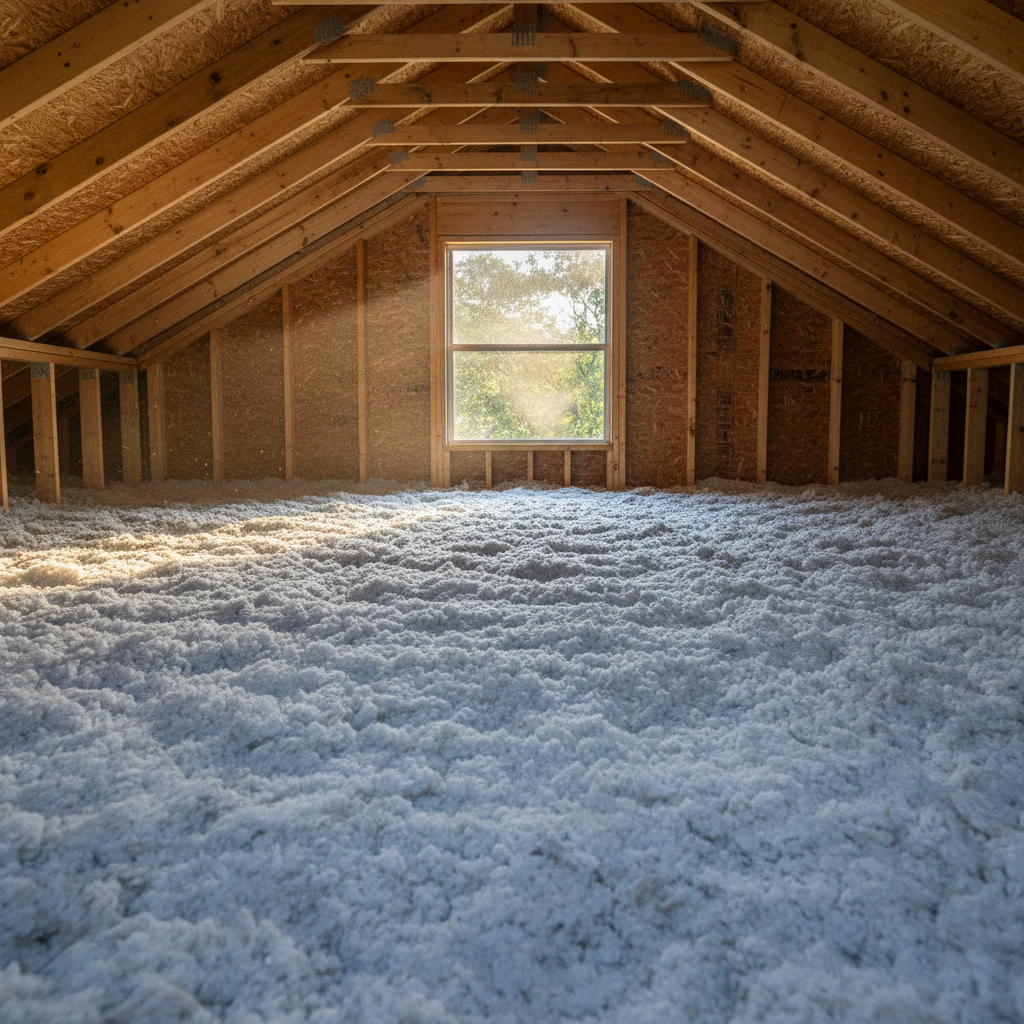
You're looking at blown-in insulation, right? Maybe your energy bills are through the roof, or certain rooms just never feel comfortable. It's a smart move, especially with our Texas heat and those occasional cold snaps. But I've seen too many homeowners in Mansfield make some pretty common, and costly, mistakes when they're planning or hiring for a blown-in insulation project. I want to help you avoid that regret.
Mistake #1: Not Knowing Your Current R-Value (or Lack Thereof)
This is a big one. A lot of folks call me up and say, "I need blown-in insulation." My first question is always, "What do you have up there now?" Most don't know, and some don't even realize they should. You can't just pile new insulation on top of old, compressed, or wet stuff and expect miracles. You need to know what you're starting with. Is it old fiberglass batting that's seen better days? Is it so thin you can practically see your roof decking? Or worse, is there mold or moisture damage under there?
Before you even think about adding more, get a professional to inspect your attic. We're looking for existing R-value, yes, but also for ventilation issues, water leaks, pest infestations, and any other problems that need fixing *before* new insulation goes in. Putting new insulation over a problem just hides it and makes it worse. Trust me, you don't want to find out you've got a leaky roof six months after you've paid for a whole new attic full of insulation.
Mistake #2: Focusing Only on the Lowest Bid
I get it. Money talks. Everyone wants a good deal. But when it comes to something as critical as your home's thermal envelope, the cheapest option is almost never the best. I've seen "deals" where contractors cut corners you wouldn't believe. They might:
- Use less material than promised, leaving you with a lower R-value than you paid for.
- Not properly air seal before blowing in insulation. This is huge! Insulation slows heat transfer, but air sealing stops air leaks. If you don't seal up all those gaps and cracks around pipes, wires, and ceiling penetrations, you're just blowing money out of your attic.
- Rush the job, making a mess, or damaging existing structures.
- Not have the right equipment or experience for the specific type of insulation you need.
A reputable company, like us at Apex Insulation, will give you a detailed quote, explain the R-value they're aiming for, and talk about the air sealing process. They'll also be properly insured and licensed. Ask for references. Check their reviews. If a price seems too good to be true, it probably is.
Mistake #3: Ignoring Attic Ventilation
This is a huge oversight, especially here in Mansfield. Our summers are brutal, and attics can get incredibly hot. Good ventilation helps move that hot air out, which in turn makes your insulation more effective and prolongs the life of your roof. Without proper ventilation, that trapped heat can cook your shingles, lead to moisture issues, and make your AC work overtime.
Some older homes, especially those built in the 70s and 80s in neighborhoods like Country Club Estates, might have minimal or outdated attic ventilation. Adding insulation without addressing ventilation is like putting a blanket on a feverish person in a sealed room – it just traps the heat. A good insulation contractor will assess your attic's ventilation system (soffit vents, ridge vents, gable vents) and recommend improvements if needed. It's an integral part of a healthy attic system.
Mistake #4: Not Understanding Different Insulation Types
Blown-in isn't just "blown-in." You've got cellulose, and you've got fiberglass. Each has its pros and cons. Cellulose is often made from recycled paper, treated for fire resistance, and can be denser, offering good sound dampening. Fiberglass is non-combustible and resistant to moisture and mold growth. Which one is right for your home depends on a few factors: your budget, your existing attic conditions, and what you're trying to achieve.
Don't just let a contractor tell you what they're going to use without explaining why. Ask questions. Understand the differences. A good contractor will explain the benefits of each and help you make an informed decision, not just push whatever they have on hand.
Mistake #5: Forgetting About Pest Control
Our climate means we deal with all sorts of critters – squirrels, raccoons, rats, mice, birds, even snakes sometimes. They love a warm, dark attic, and insulation makes for great nesting material. If you've had pest issues in the past, or if your attic shows signs of current activity, you absolutely need to address this *before* new insulation goes in.
Pests can compact insulation, chew on wires (fire hazard!), and leave behind droppings that can create health hazards. A thorough attic inspection should include looking for signs of pests and identifying entry points. You might need to hire a pest control specialist to seal up those entry points and clear out any existing infestations. It's a crucial step that many homeowners overlook, only to find themselves with a renewed pest problem a few months after their new insulation is installed.
Getting blown-in insulation is a fantastic investment in your home's comfort and energy efficiency. Just make sure you're doing it right. Do your homework, ask the tough questions, and don't be afraid to walk away from a deal that feels off. Your home, and your wallet, will thank you for it.