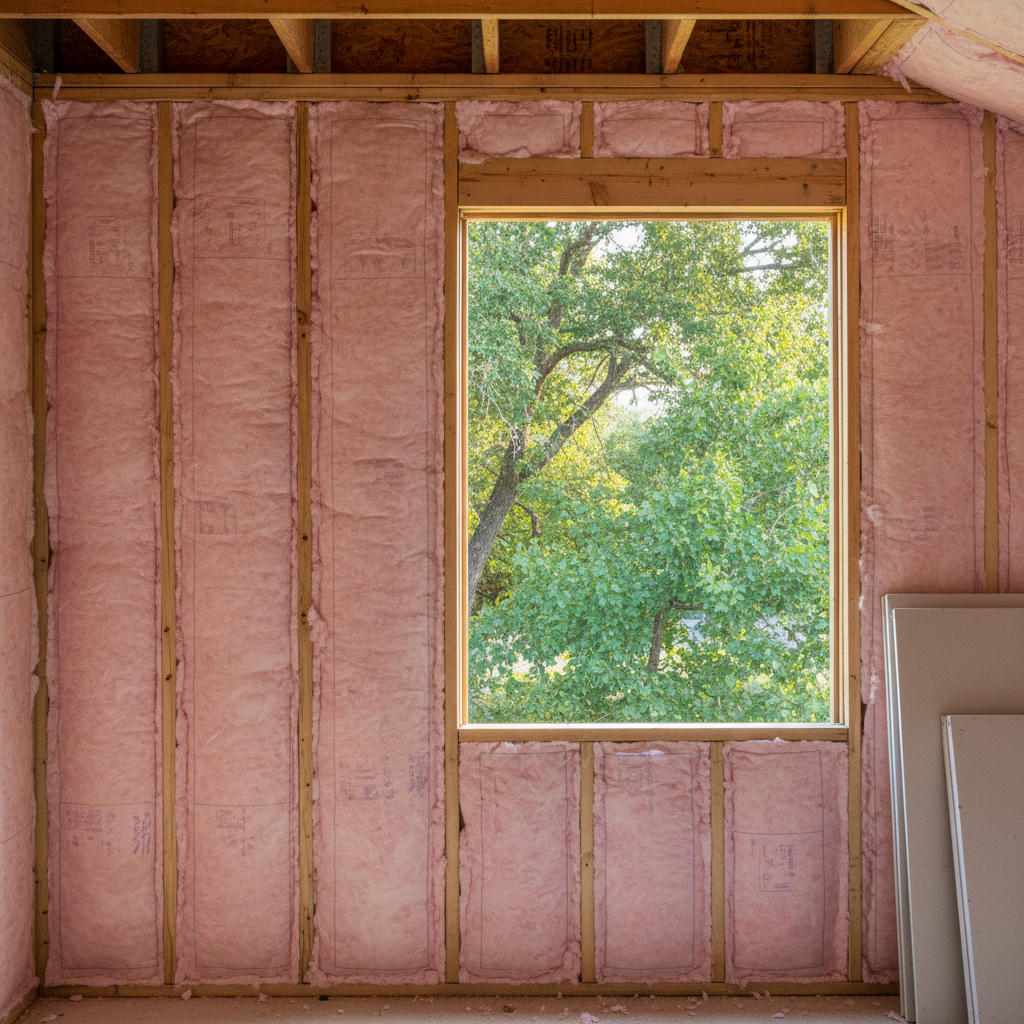
So, you're looking at your energy bills and thinking, 'I bet I can fix this myself.' Batt insulation is often the first thing folks consider for a DIY project, and for good reason. It's not rocket science, but there are definitely right ways and wrong ways to do it. As someone who's been in this business for a long time here in Mansfield, I've seen it all. Let's talk about what you can realistically do and when it's smart to call in the pros.
Before You Even Buy a Single Batt
Planning is key. You can't just slap insulation up and expect miracles. First, figure out where you're insulating. Is it an attic, walls, or a crawl space? Each area has different considerations. For walls, you're usually looking at R-13 or R-15 for 2x4 framing, and R-19 or R-21 for 2x6. Attics are a different beast entirely. Here in Mansfield, with our scorching summers and those occasional cold snaps, you really want to aim for R-38 to R-60 in your attic. More is generally better, especially if you've got an older home in, say, the Walnut Creek area that might be drafty.
Next, measure your space accurately. You don't want to buy too much or, worse, too little. Also, think about the type of batt. Fiberglass is common and affordable. Mineral wool offers better fire resistance and sound dampening, but it's pricier. Cotton or denim batts are more eco-friendly. Each has its pros and cons. Don't forget your safety gear: gloves, a good dust mask (N95 or better), eye protection, and long sleeves. You do not want fiberglass itching all over you for days.
Finally, check for existing issues. Any leaks? Pests? Mold? You absolutely need to address those BEFORE you insulate. Covering up a moisture problem with new insulation is just asking for a much bigger, more expensive headache down the road. If you see signs of water damage or critters, stop right there. That's usually a job for a specialist, not a DIY weekend project.
Getting Down to Business: The Installation
Alright, you've got your gear, your batts, and your plan. Now for the actual work. For attics, if it's an open, accessible space, you can probably handle laying down batts yourself. Make sure the paper or foil facing (if present) is facing the conditioned space – usually down towards the ceiling. Don't compress it! That's the biggest mistake I see. Insulation works by trapping air; squishing it reduces its R-value significantly. Cut batts to fit snugly between joists, but don't force them. Leave air gaps around recessed lights, chimneys, and other heat-producing elements as per manufacturer instructions; fire safety is no joke.
Walls are trickier. If you're insulating an open wall cavity during a renovation, it's similar to an attic, but you'll need to secure the batts so they don't slump. Staple the facing flanges to the studs. Make sure you cut around electrical boxes and plumbing pipes carefully. Again, no compressing. This is where a utility knife and a straight edge become your best friends.
Now, here's when you probably need to call Apex Insulation or another pro. If you're trying to insulate existing walls without tearing down drywall, that's not a batt insulation job. You'd be looking at blown-in insulation, which requires specialized equipment. Also, if your attic has a lot of tight, awkward spaces, or if you're dealing with a really old home with non-standard joist spacing, it might be more trouble than it's worth to DIY. Getting a perfectly uniform, uncompressed layer in those situations is tough, and an uneven job means uneven performance.
After the Last Batt is Laid
So, you've finished. What now? First, clean up thoroughly. Get rid of all those tiny fiberglass particles. A good shop vac with a HEPA filter is your friend. Then, take a deep breath and give yourself a pat on the back. You've just improved your home's energy efficiency.
Keep an eye on your energy bills over the next few months. You should see a noticeable difference, especially during those brutal Mansfield summers. If you don't, or if you still feel drafts, it might be worth having a professional energy audit. Sometimes, insulation isn't the only issue. Air leaks around windows, doors, or even electrical outlets can undermine all your hard work.
Also, periodically check your attic or crawl space. Make sure the insulation hasn't shifted, gotten wet, or become a home for pests. If you see any changes, address them quickly. A little maintenance goes a long way in preserving your investment.
Look, I'm all for homeowners tackling projects they can handle. It saves money and gives you a real sense of accomplishment. But know your limits. If you're unsure about any part of the process, or if the job looks bigger than you initially thought, don't hesitate to reach out. We're here to help Mansfield homeowners get it right, whether you do it yourself or bring us in.